Managing Complex Residential Projects Across Large Properties
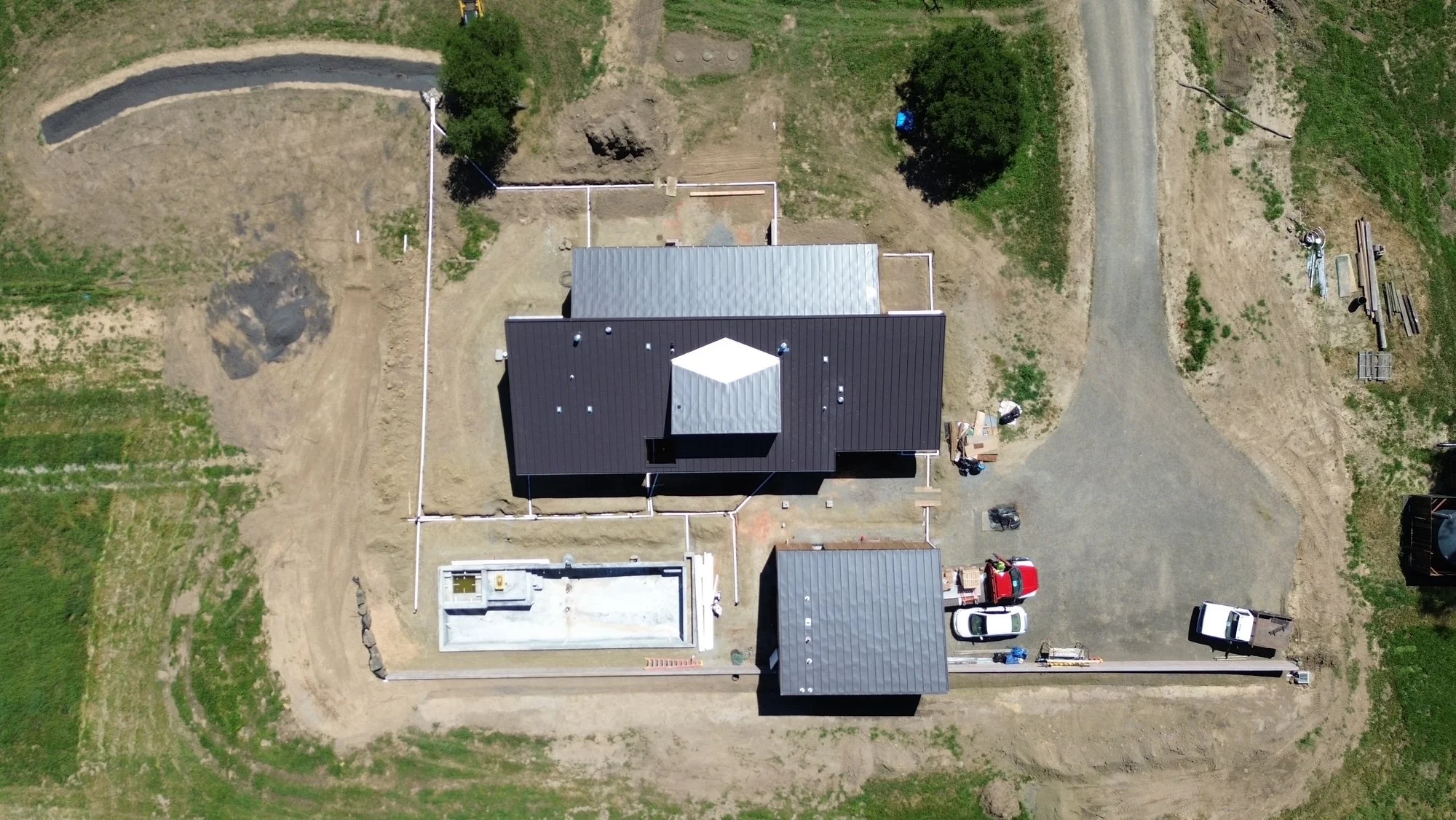
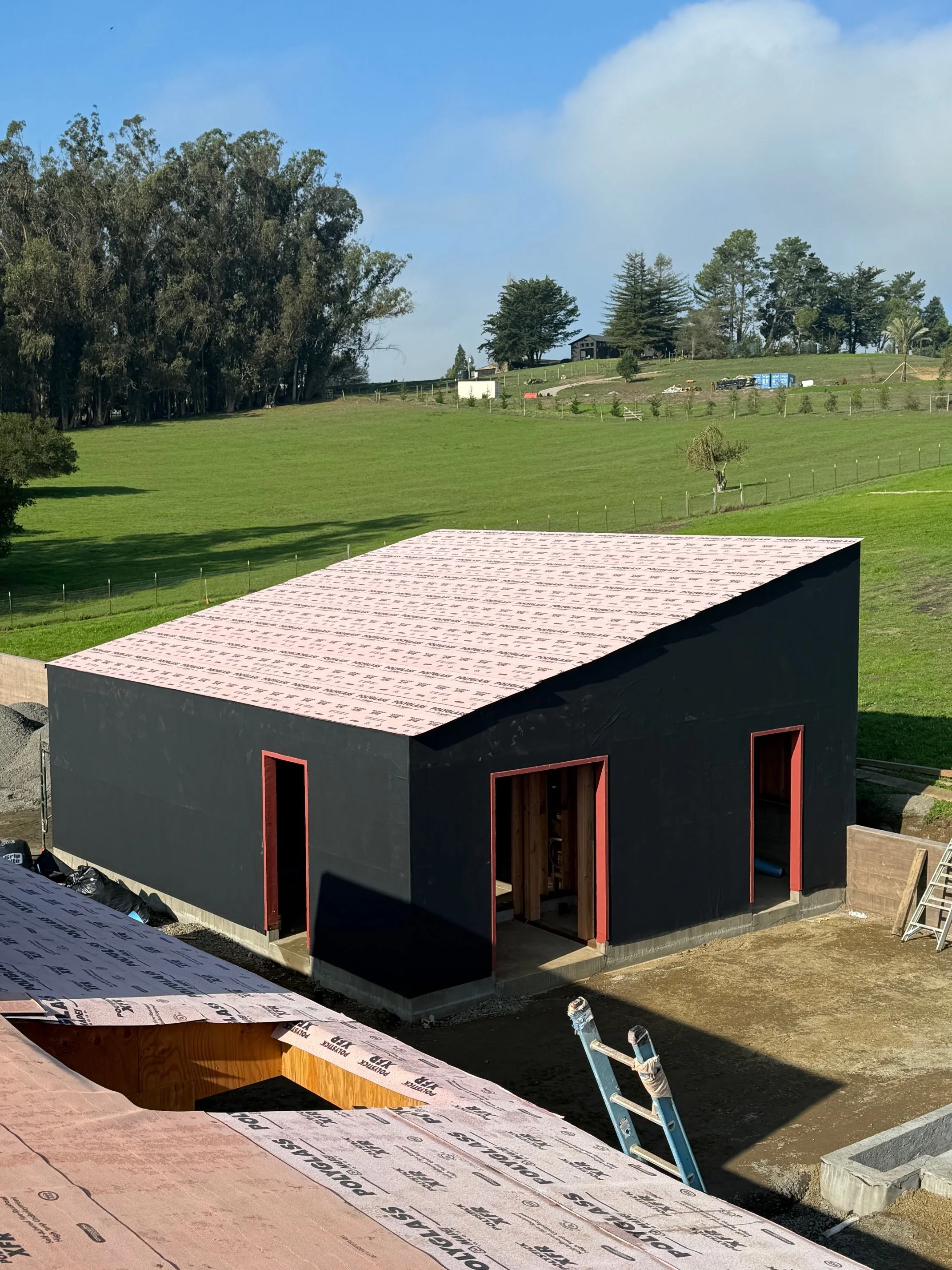
Large residential projects require a different level of preparation before construction begins. Site infrastructure, utility planning, grading, and sequencing all need to be addressed early so crews can mobilize and move efficiently once work starts. We're currently applying this approach on our estate project in Petaluma, where early site work laid the groundwork for the phases now underway.
It Starts with the Site
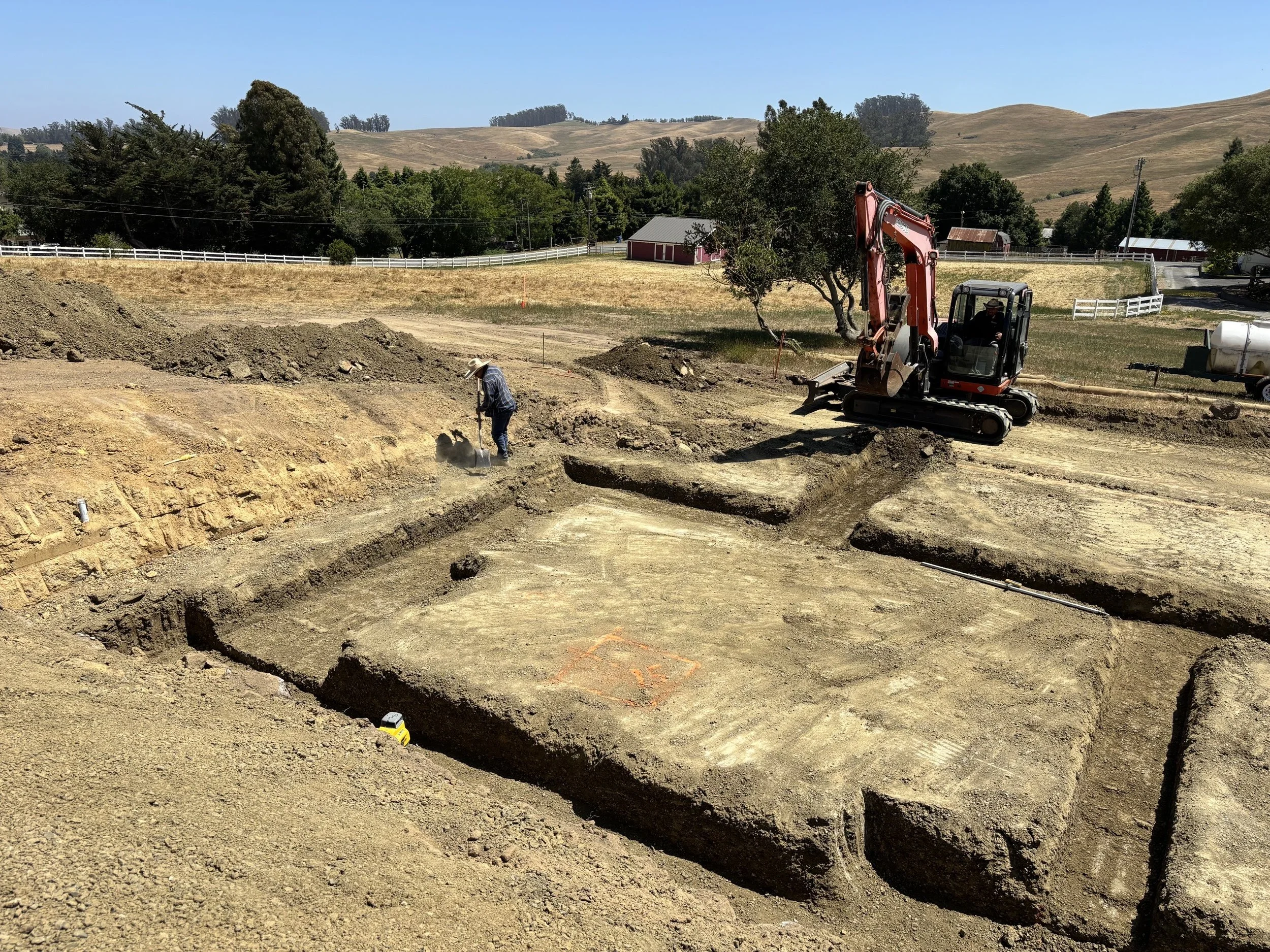
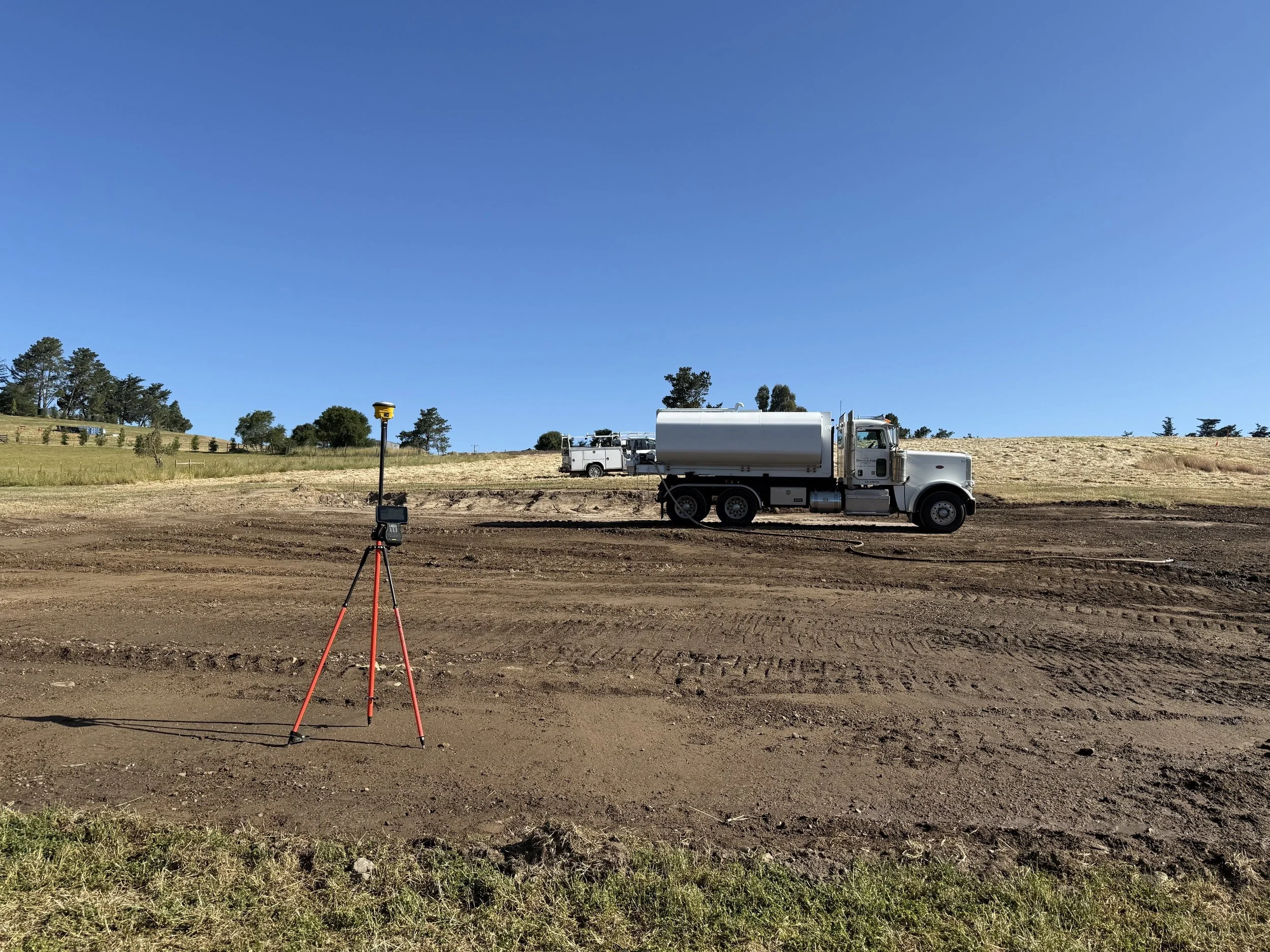
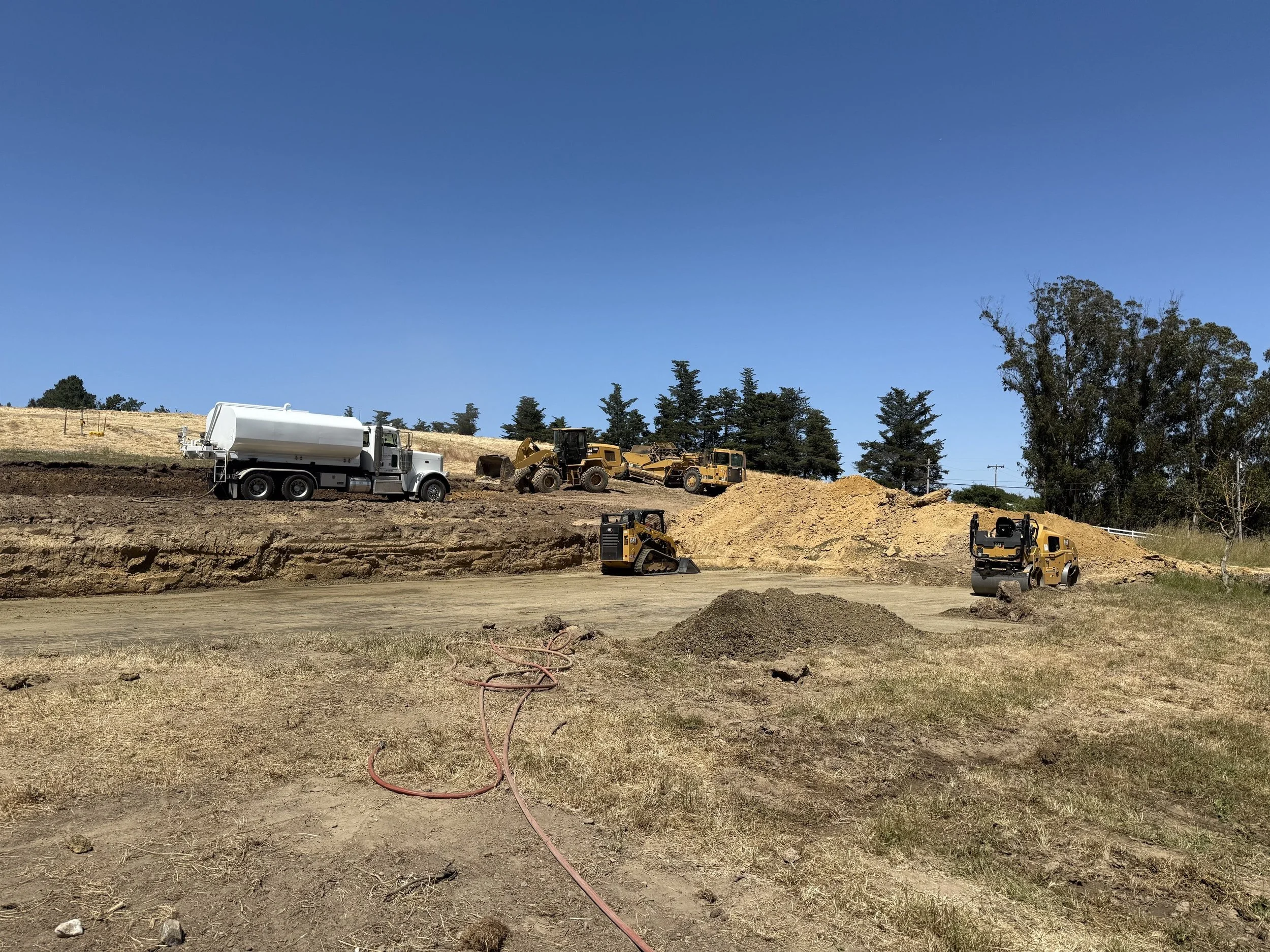
Before vertical construction can begin on a large property, there's significant work that happens at the ground level. Grading, drainage, utility routing, and access roads all need to be established to support the build long-term.
On the Petaluma project, this meant preparing a site with no existing infrastructure in place. Utility paths, access routes, and drainage systems were laid out upfront, allowing the site to transition cleanly into foundation and framing phases.
Why Larger Properties Can Work More Efficiently
While estate projects involve a larger scope of work, they often come with one major advantage: space.
With more room for staging, material storage, and equipment access, larger properties can actually operate more smoothly than tighter residential sites. Crews are able to work simultaneously without competing for access, which helps maintain momentum and keeps the schedule moving. Once the site is properly prepared, the additional space creates a more organized building environment, and we find that's where our team operates at its best.
Coordinating Multiple Phases of Construction
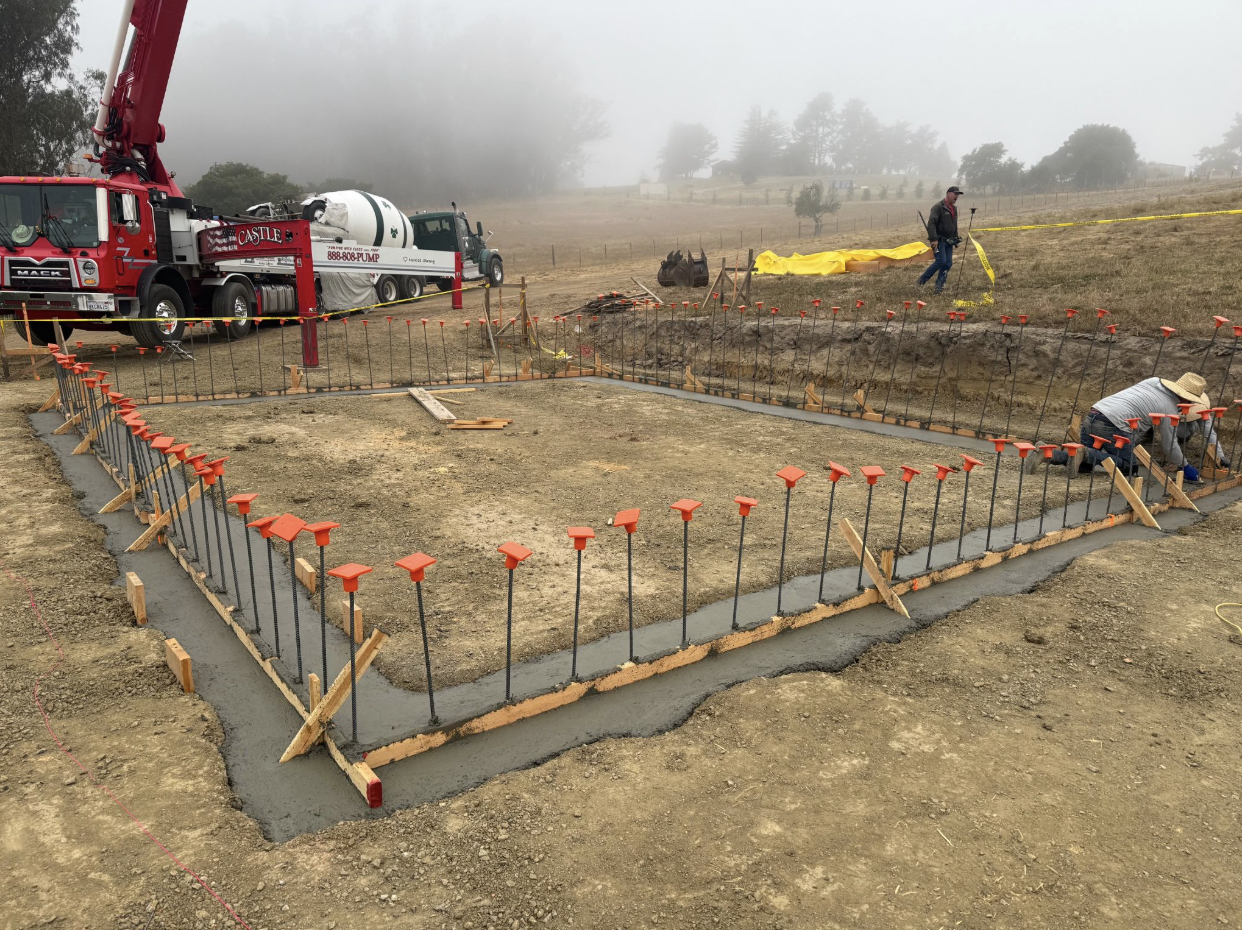
Projects at this scale require concrete, framing, mechanical rough-ins, and utility installation to move in parallel without losing alignment on the larger schedule. Keeping that organized comes down to experienced field leadership and direct communication between teams.
Our superintendents oversee daily site activity while coordinating closely with subcontractors, suppliers, and project managers to keep quality consistent and progress on track. Because we self-perform key portions of the work, we maintain tighter control over scheduling and execution as conditions on-site shift.
The Role of Preconstruction
A successful project starts long before construction begins. Preconstruction is where we review plans in depth, align with architects and engineers, and build out a realistic schedule that accounts for site-specific conditions. It's also where utility coordination, structural layout, and trade sequencing get worked out before they become field problems.
On larger properties, those early decisions carry more weight. Getting the details right during preconstruction means fewer surprises once crews are on site and work is moving.
Looking Ahead
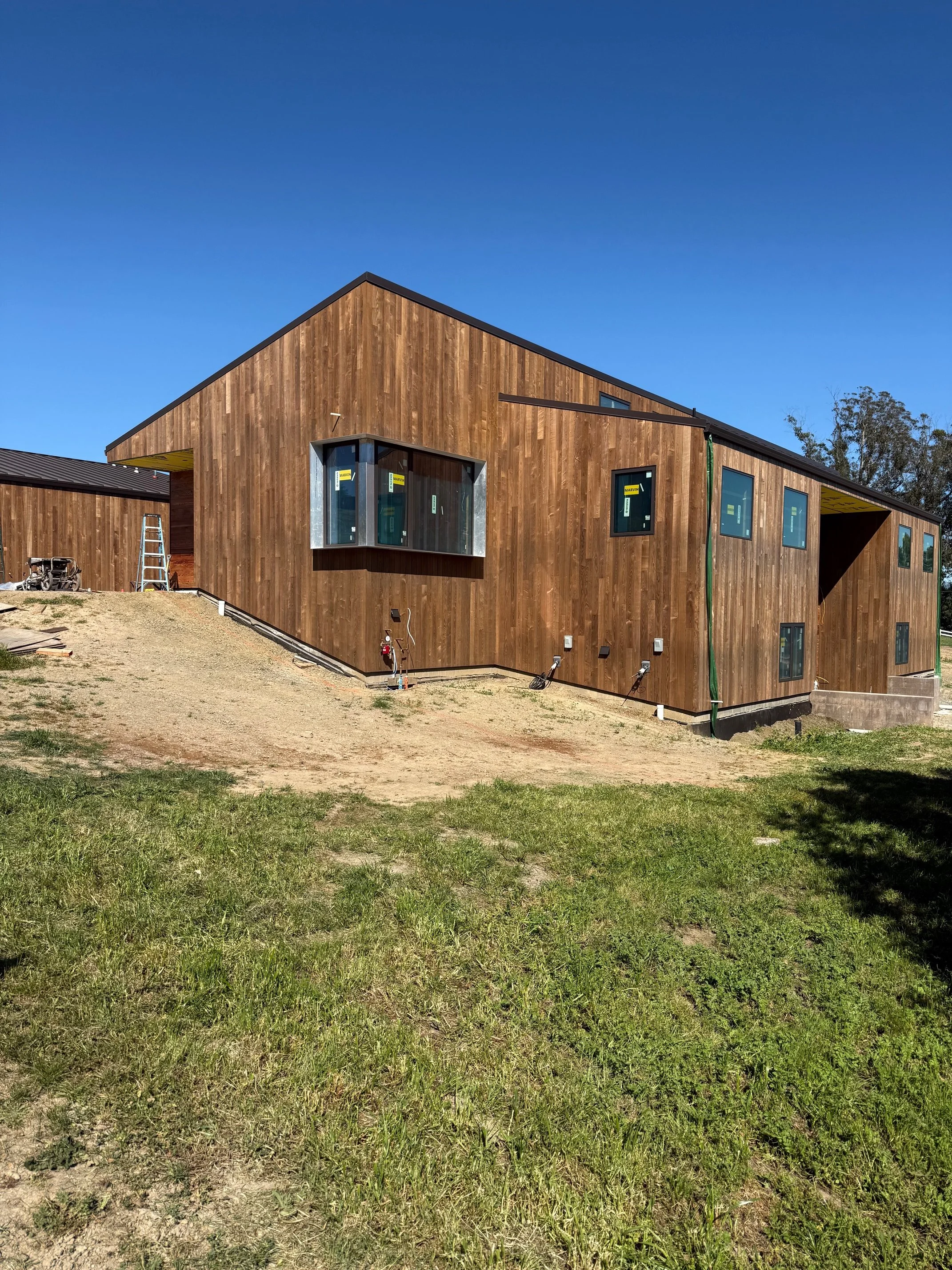
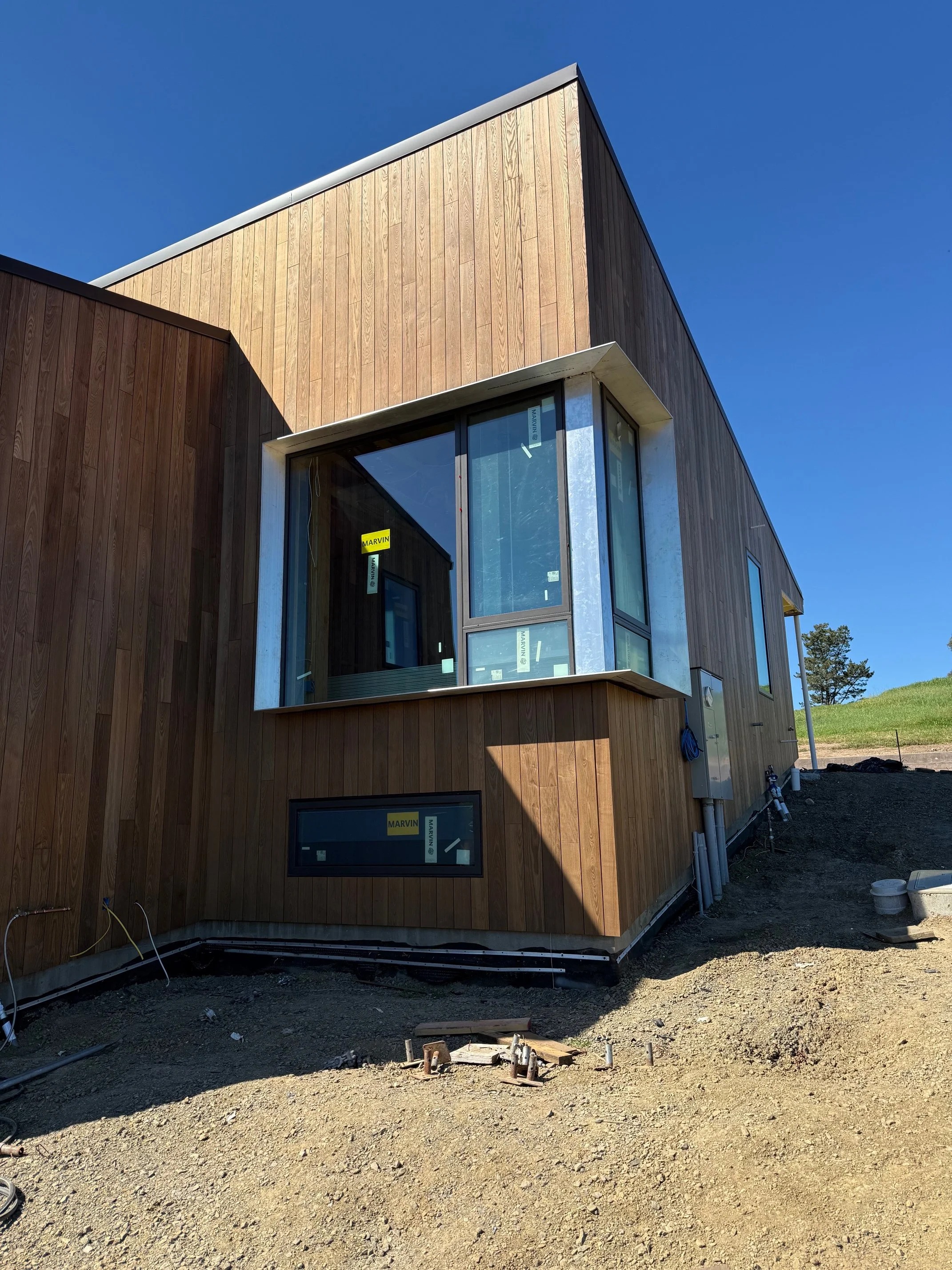
Our Petaluma project continues to move forward as interior finishes begin and the site details begin to take shape. Projects like this reflect the type of work we're built for: large-scale residential construction that requires detailed planning, tight coordination, and disciplined execution from day one.
If you're planning a large-scale residential project, connect with us to start the conversation.