Before we think about framing, finishes, or scheduling trades, we spend time understanding the property itself.
Every property brings its own conditions. The slope of the land, existing structures, access, drainage, views, and surrounding landscape all influence how a home should be built. Two homes may have similar plans, but once you're standing on the property, the right approach is often very different.
The plans define what we're building. The property helps determine how we get there.
Start by Understanding What's Already There
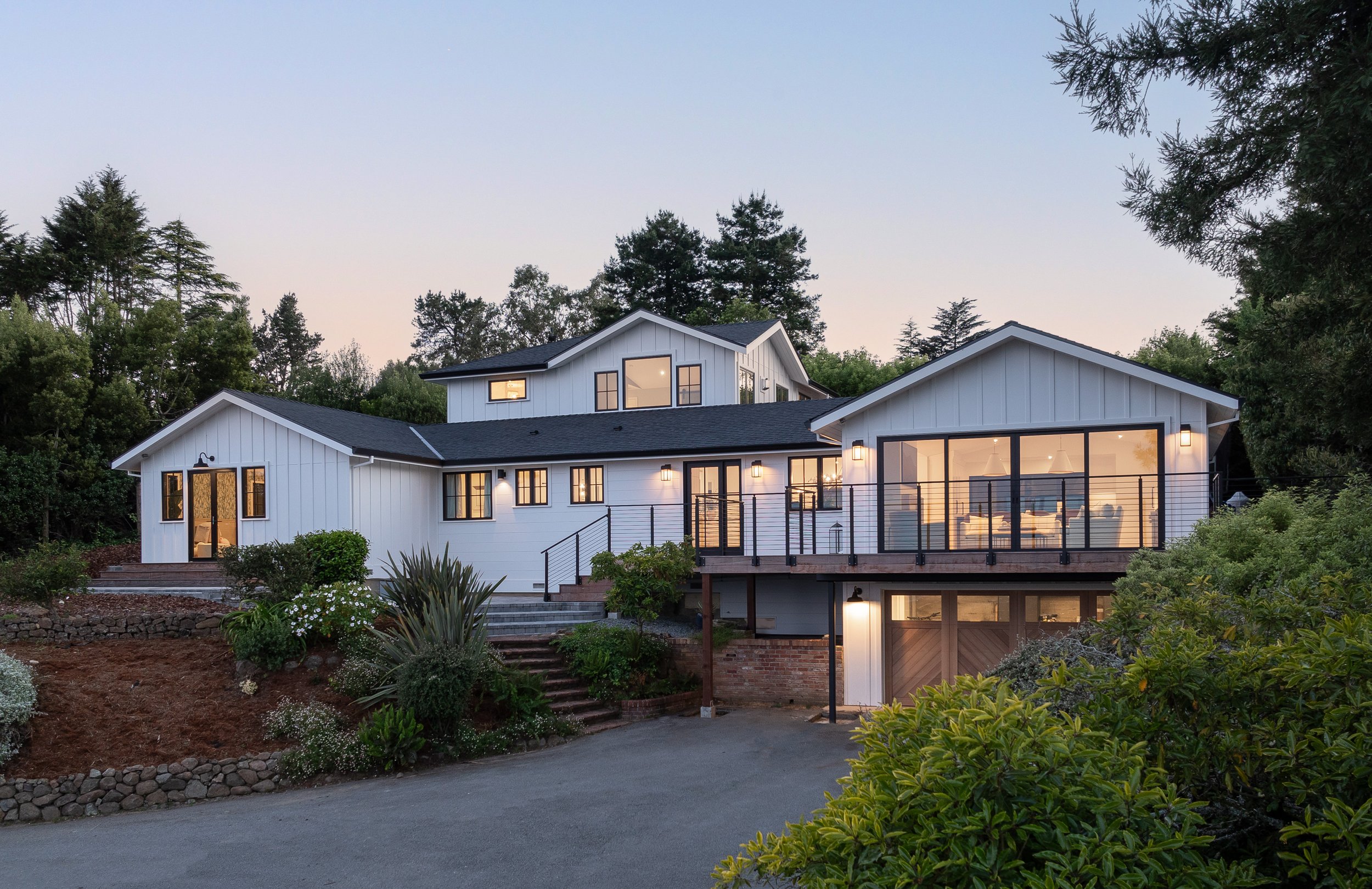
The first site walk is rarely about what's being added. It's about understanding what already exists.
Can equipment reach the work area? How will materials move across the property? Will the existing grade support the design, or will it need to change? Are there utilities, neighboring structures, or mature trees that need to be worked around?
Those questions shape the construction process before work begins. They influence everything from sequencing and logistics to how the site is prepared for the trades that follow.
Working through those questions during preconstruction creates a smoother path once the project is underway.
The Most Important Decisions Happen Early
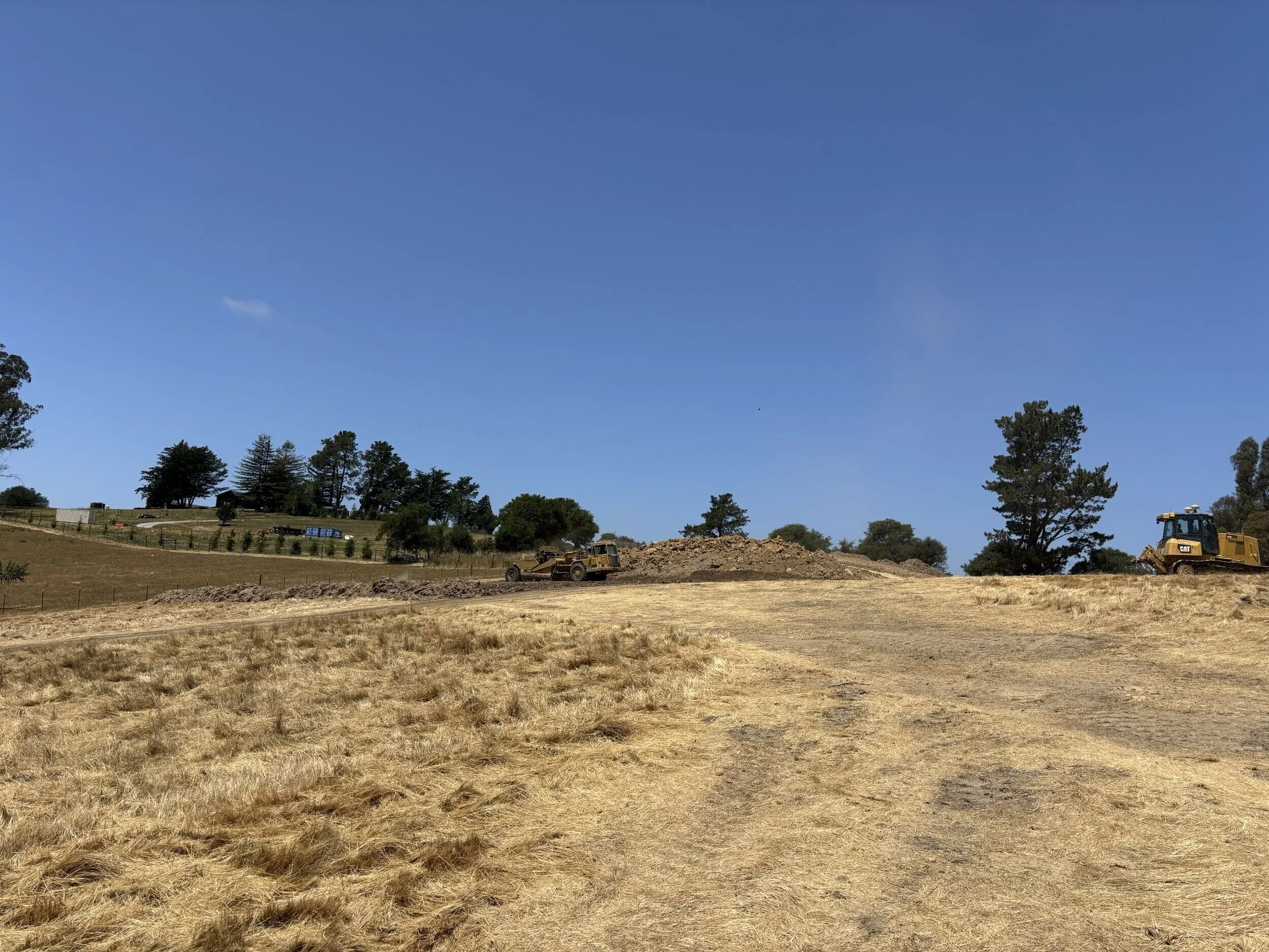
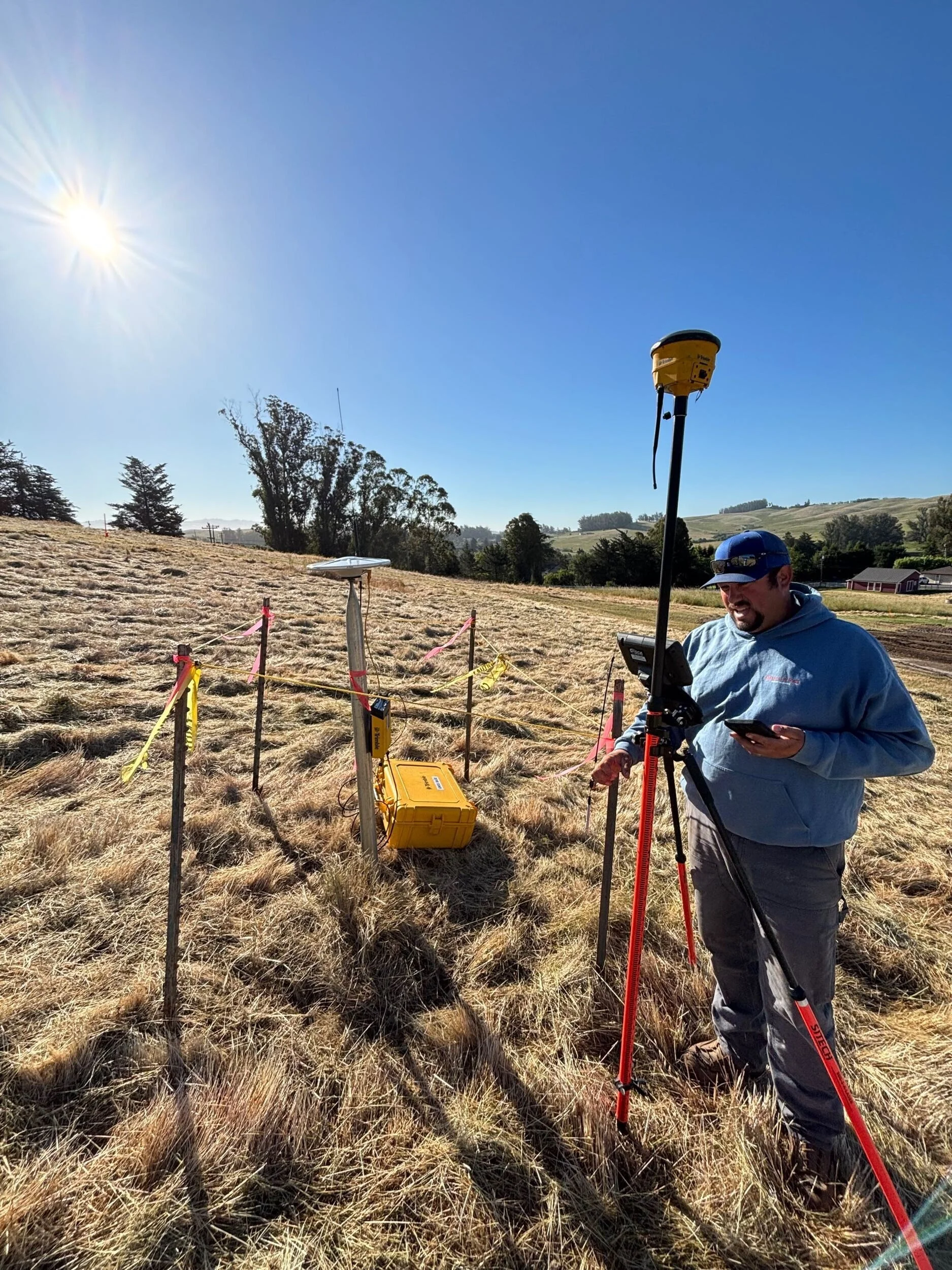
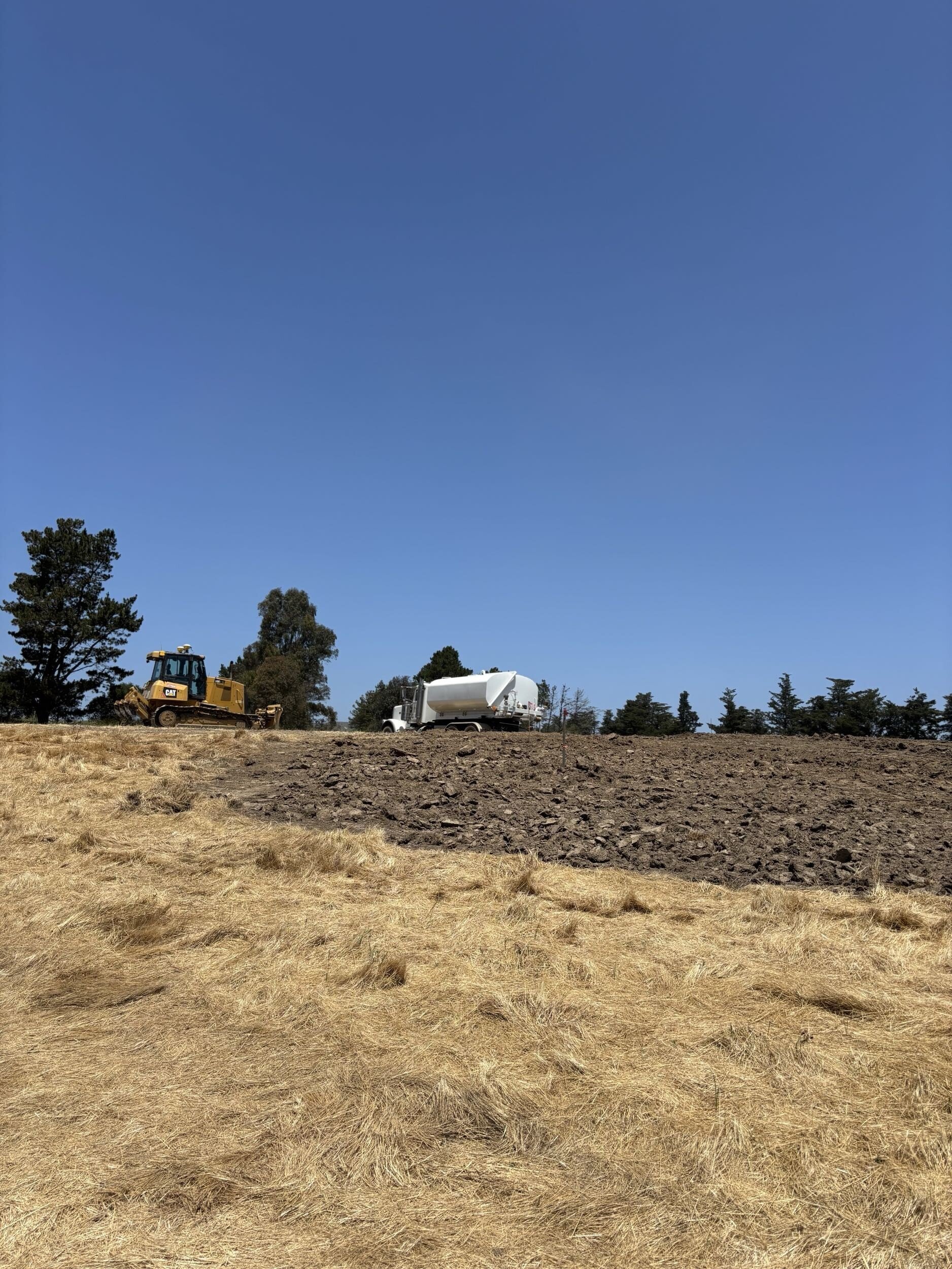
Our Hillside Remodel in Mill Valley is a good example of why early planning matters.
Adding a new primary suite on a third level meant completely rebuilding the second floor below it, all while working with a steep hillside overlooking the bay. Before framing could begin, foundation improvements, retaining walls, drainage, access, and site logistics all needed to be coordinated.
None of those decisions happen in isolation. One affects the next, and working through them early allows the project to move forward with fewer surprises once construction begins.
The field will always present challenges. Good planning gives us the opportunity to solve them before they become bigger issues.
Building Onto an Existing Home Takes Restraint
Several years after completing the original renovation of a Tiburon residence, we returned to continue the next phase of work.
Building onto an existing home requires a different mindset than starting from scratch. The goal wasn’t to create something entirely new. It was to continue the home’s evolution while maintaining the character that had already been established.
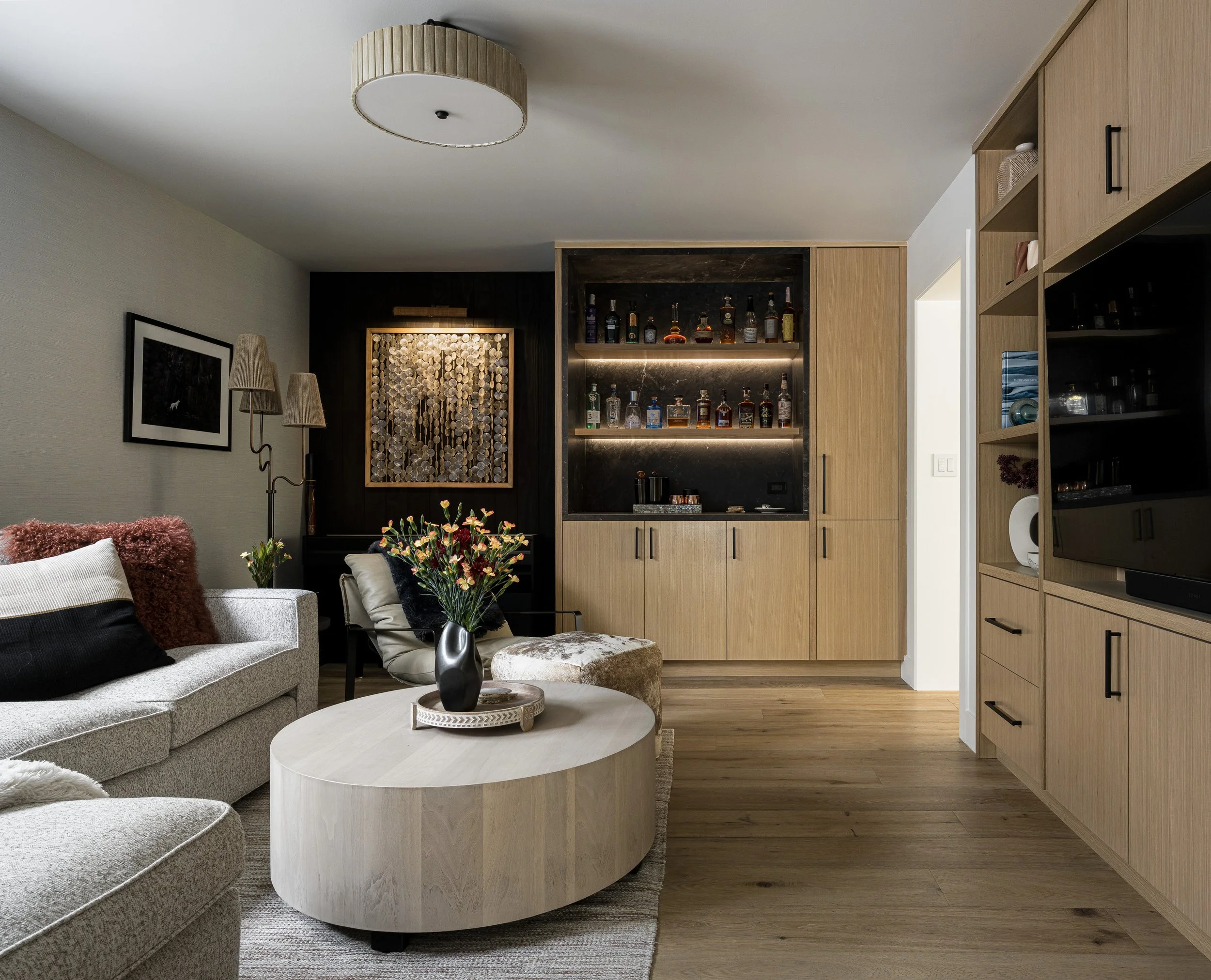
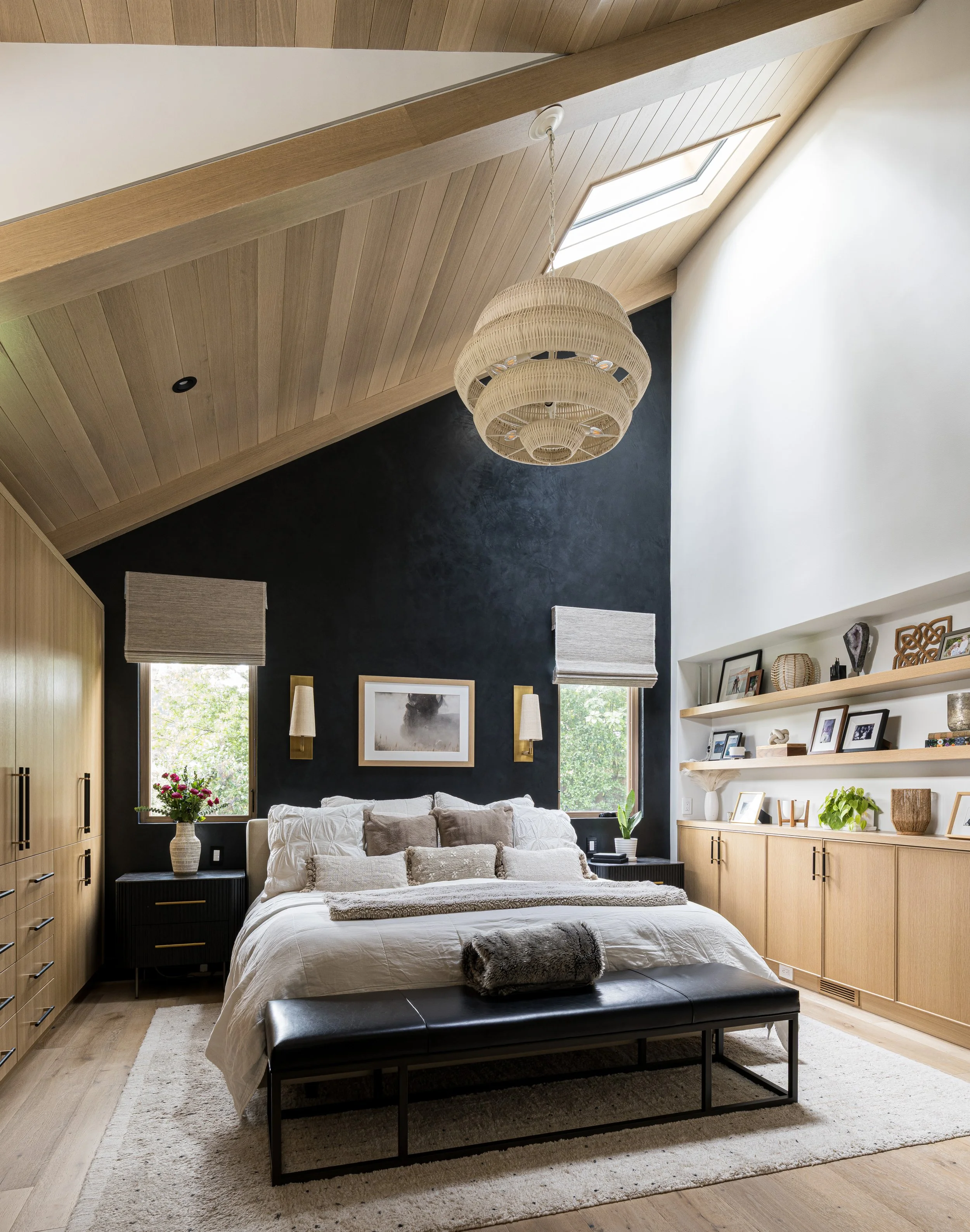
The former living room became a new primary suite. The media room and den were updated with custom cabinetry, while white oak cabinetry and ceiling cladding carried the same material palette through the remodeled spaces.
The best remodels don’t call attention to where the original home ends and the new work begins. They simply feel complete.
Every Decision Affects the Next One
The longer you build, the more attention you pay to details that often go unnoticed.
A slight change in elevation affects drainage. Site access determines how equipment and materials move through the property. Existing conditions shape everything from excavation and foundations to the way the landscape comes back together at the end.
That coordination becomes even more important when multiple structures are designed to function as one cohesive property.
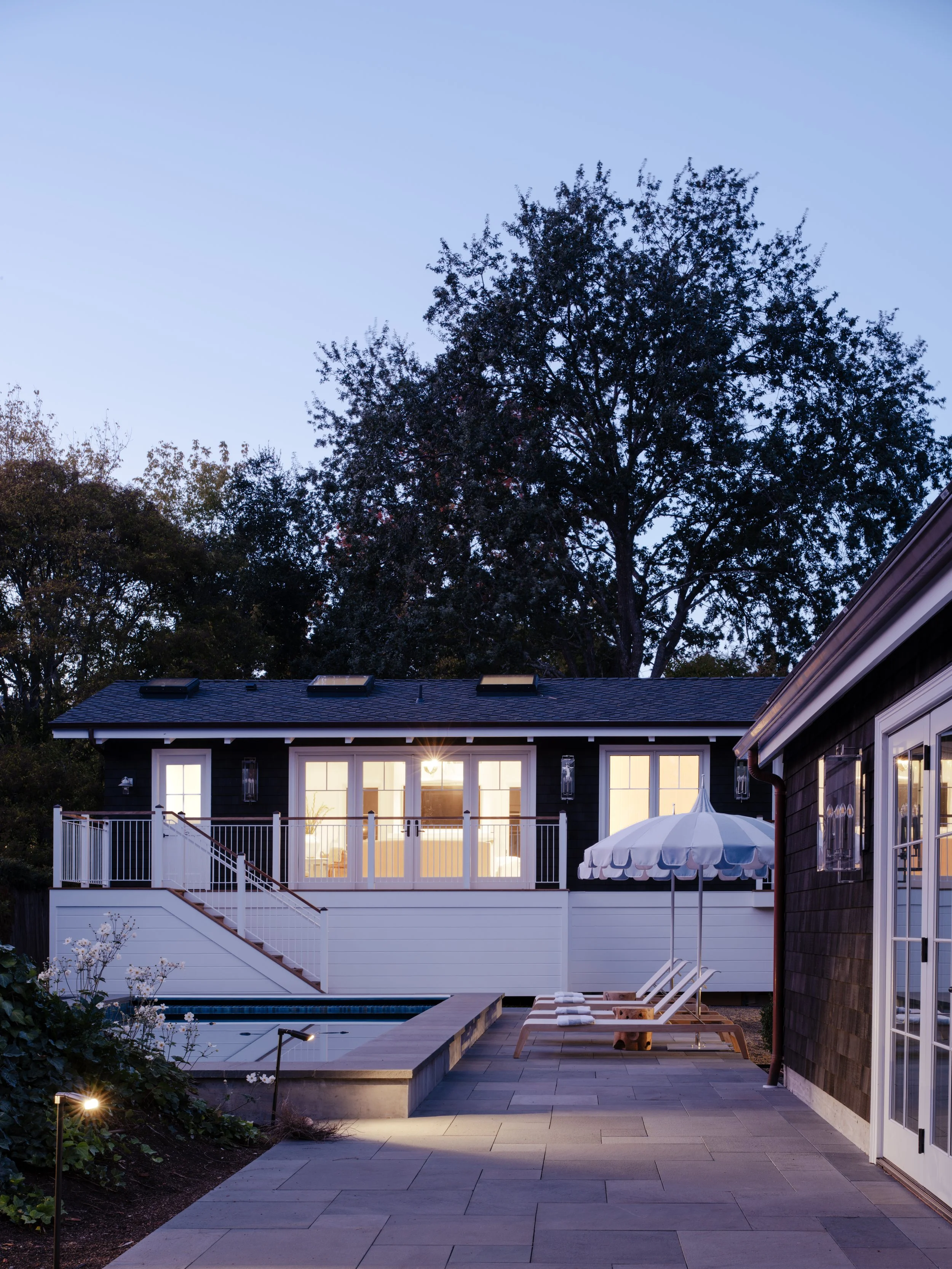
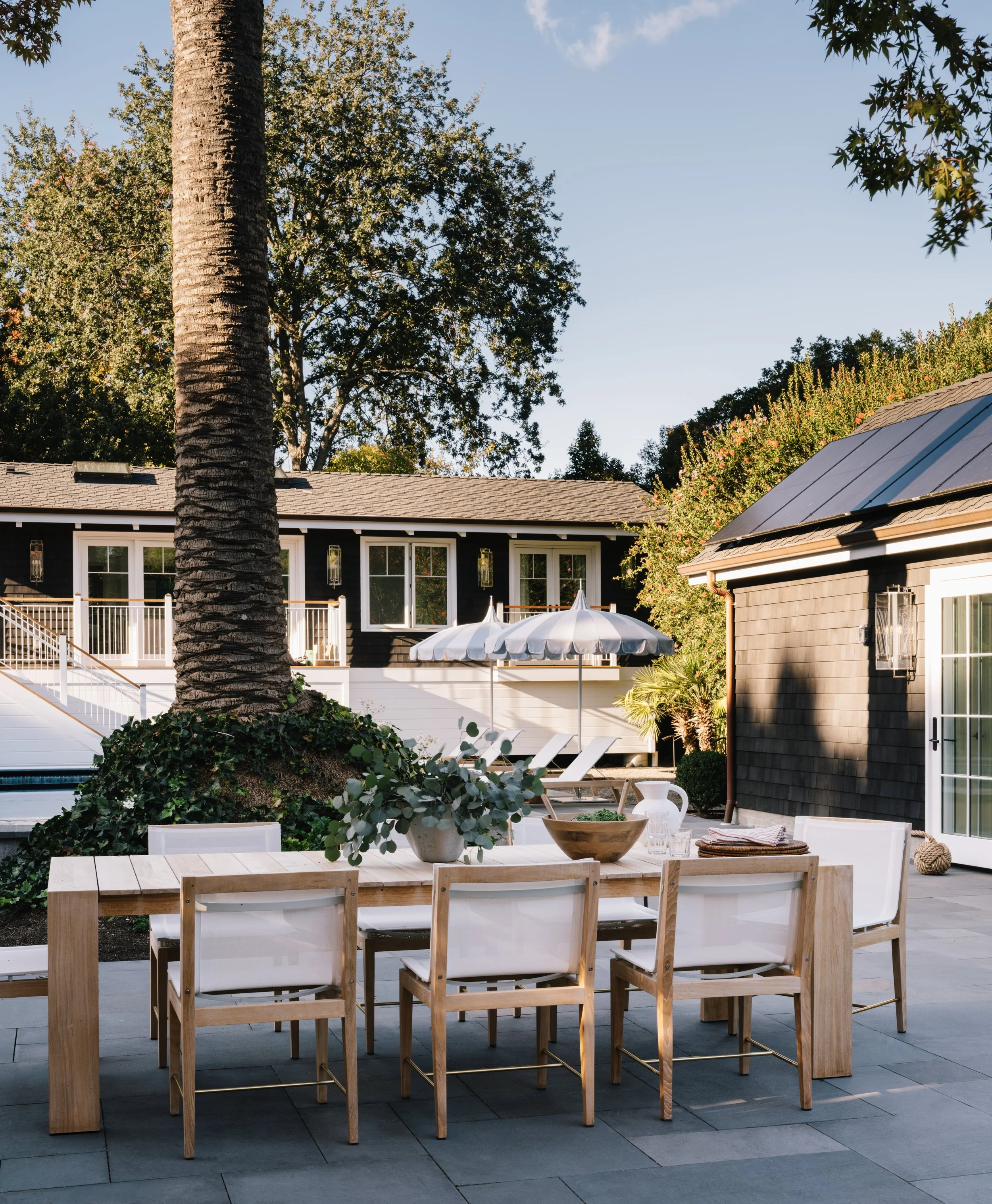
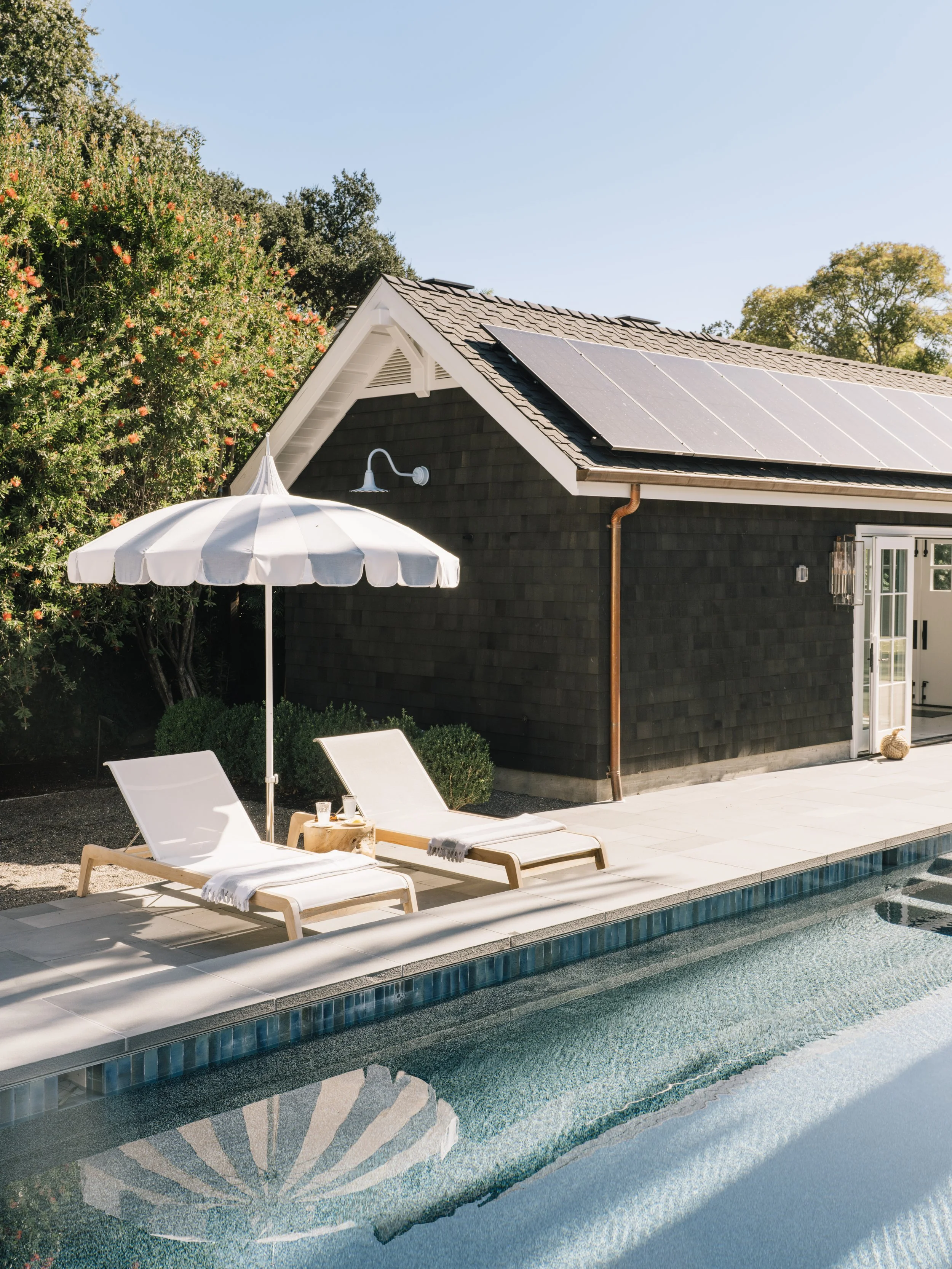
Our Ross ADU & Site Improvements project is a good example. Along with a new pool house and ADU, the project included a custom pool and outdoor gathering areas designed to function as one connected environment. Coordinating those elements required looking beyond each individual structure and considering how the entire property would work together once complete.
Construction is a series of connected decisions. Solving one challenge often means thinking two or three steps ahead because every phase builds on the one before it.
Building With the Property, Not Just On It
Some properties require extensive site work before excavation begins. Others depend on thoughtful coordination with an existing home or careful planning across an entire property. No matter the scope, the goal stays the same: understand the site, solve problems before they reach the field, and build with intention from the ground up.
Understanding the property is the foundation for everything that follows.
If you're planning a custom home or remodel, we'd be happy to talk through your property and the opportunities it presents. Connect with us to start the conversation.